
Frequently Asked Questions (FAQ)
1. Palisade Peaches
What are Palisade peaches?
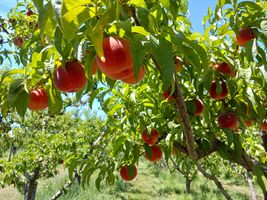
Palisade peaches are peaches grown on Colorado’s Western Slope in the Palisade region, Colorado’s most well-known fruit-growing region. The area’s warm days, cool nights, dry climate, and fertile soils help produce peaches with exceptional sweetness, color, and flavor.
Are Palisade peaches a specific variety?
“Palisade peaches” refers to peaches grown on Colorado’s Western Slope, not one single peach variety. Throughout the season, several varieties ripen at different times, each selected for flavor, texture, and timing.
When are Palisade peaches in season?
Palisade peach season typically runs from early July to mid-to-late September, depending on the weather and the season. Freestone varieties are generally available from late July through mid-to-late September.
Why are Palisade peaches so desirable?
Palisade peaches are prized for their rich flavor, juiciness, and sweetness. Colorado’s high-elevation growing conditions create ideal peach-growing weather, helping produce fruit that stands out for both taste and texture.
Why do Palisade peaches taste better than grocery store peaches?
Many grocery store peaches are picked early to withstand long shipping times. Leaving peaches on the tree longer dramatically increases sugar content and improves the overall flavor profile, which is one reason Colorado peaches are so highly sought after.
Are all of your peaches grown in Colorado?
All of our peaches are grown in Colorado and sourced from Colorado fruit country.
Do all peaches look exactly the same?
No. Peaches are a natural product, so size, color, shape, and firmness can vary from box to box and even within the same box. Small cosmetic differences are normal and do not affect eating quality.
Why does the season seem early or late some years?
Fruit timing depends heavily on weather. A warm spring can move bloom and harvest earlier, while cold weather can delay the season. That is normal in agriculture, and seasonal timing can shift from year to year.
2. Shipping FAQs
Do you ship peaches nationwide?
Yes. We ship to the lower 48 contiguous states.
When do you begin taking peach orders?
We typically begin taking peach orders between April and June, depending on the season’s weather and our growers’ harvest forecast.
Why can’t you guarantee an exact ship date far in advance?
Peaches are a seasonal crop, and harvest timing depends on the weather and how the fruit develops. We do our best to provide timing estimates, but agriculture does not run on a perfectly fixed schedule, so exact shipping dates may vary based on actual harvest dates to ensure maximum freshness.
When will my peaches ship?
Orders typically ship when fruit is ready and conditions are appropriate for packing and transit. If you place a pre-order, your shipment timing may depend on harvest progress and order volume.
How long do peaches take to arrive?
We only ship using services that are estimated to arrive within two days, or one day if an express option is selected. Actual transit time is based on the carrier’s estimated delivery time to your location.
Do peaches arrive ripe?
We aim to ship peaches so they arrive at ideal ripeness. Sometimes they may need a few days at room temperature to finish ripening before they are ready to enjoy.
What if my peaches arrive firm?
That is normal. Most shipped peaches benefit from a short period on the counter to finish ripening.
What if my peaches arrive bruised or damaged?
A small amount of rubbing or minor cosmetic marking can happen in transit with fresh fruit. If your order arrives with significant damage, contact us promptly with your order details and photos so we can help.
Do weather and shipping delays affect fruit quality?
They can. Peaches are delicate and perishable, and extreme heat, cold, or carrier delays can affect how they arrive. That is one reason we monitor timing closely and ship only during appropriate windows.
Can I pre-order before harvest begins?
Yes, always, and it is recommended since we have limited shipping capacity each year. Pre-ordering typically opens between April and June depending on weather and projected harvest timing.
3. Peach Care, Storage, and Ripeness
How do I know when a peach is ready to eat?
A ripe peach will usually have a sweet fragrance and give slightly when gently pressed near the blossom end, which is the end opposite the stem.
My peaches are firm. What should I do?
Leave them at room temperature for a day or two, depending on how firm they are. Check them daily. They are ready when they begin to soften and a strong sweet peach aroma develops around the stem.
Should I refrigerate peaches right away?
If your peaches are still firm, it is usually best to leave them at room temperature until they reach the ripeness you prefer. Unripe peaches should not be refrigerated, as refrigeration can affect both flavor and texture. Once ripe, refrigeration can help slow further softening and extend their usable life.
How long do peaches last?
That depends on how ripe they are when they arrive and how they are stored. Generally, ripe peaches can keep under proper refrigeration for 5 to 7 days, and sometimes longer because of their high sugar content. Unripe peaches should not be refrigerated, as that can affect flavor and texture.
How should I store peaches while they ripen?
Store peaches at room temperature, out of direct sunlight, in a single layer if possible. Avoid stacking them in a way that puts too much weight on the fruit. Do not refrigerate peaches before they are ripe, since that can affect flavor and texture.
Can I put peaches in a paper bag to ripen faster?
Yes. A paper bag can help speed ripening. Check them frequently so they do not overripen. Once ripe, move them to the refrigerator if needed to help hold them longer.
What does a ripe peach feel like?
A ripe peach should give slightly when pressed near the blossom end, which is the side opposite the stem. It should also have a strong, sweet peach aroma coming from around the stem area.
Why is the peach soft in one spot?
This is often called a sugar bruise and is common in soft, melting-flesh peaches with high sugar content. A few divots or soft spots are normal and to be expected, but blackened areas or excessively damaged spots may indicate bruising.
Can I eat peaches when they are still firm?
Yes. Some people enjoy peaches when they are still a bit firm, especially if they like a firmer texture. Keep in mind that firmer peaches may not be as sweet or flavorful yet, since peaches continue developing sweetness and flavor as they ripen.
Can I freeze peaches?
Yes. Peaches can be sliced and frozen, or frozen whole. If frozen whole, the skins often come right off when run under warm water later.
Can I use my peaches for baking or canning?
Yes. Peaches are excellent for fresh eating, baking, jam, preserves, cobblers, crisps, and other seasonal recipes.
4. Packaging Materials, Recycling, and Reuse
What kind of packaging materials do you use?
We use cardboard boxes with foam inserts designed to help protect the fruit during shipping.
Why do you use protective packaging?
Peaches are delicate and bruise easily. Protective packaging helps reduce movement during shipping and improves the chances that fruit arrives in good condition.
Is the box recyclable?
Yes. Our cardboard boxes can generally be recycled anywhere corrugated cardboard is accepted.
Are the foam inserts recyclable?
In some locations, yes. Foam inserts may be recyclable in areas that accept polyurethane or similar foam materials. Recycling rules vary by location, so check with your local recycling provider for guidance.
Can I reuse the box and inserts?
Yes. Boxes and foam inserts can often be reused for moving, storing valuable items, organizing fragile household goods, or protecting seasonal decorations and keepsakes.
What are some good ways to reuse the boxes?
Our boxes can be reused for:
- moving fragile or valuable items
- organizing storage areas
- packing household goods
- storing seasonal items
- protecting breakable items in the garage, attic, or shed
Could the boxes be donated for reuse?
Yes. Many organizations may be able to use sturdy boxes for practical purposes, especially groups that help people relocate quickly or organize donated goods. Examples can include women’s shelters, community aid organizations, churches, mutual aid groups, and local nonprofits that help families transition into housing.
Can I send empty boxes back to you for reuse?
No. Due to food safety regulations, we are not able to reuse empty boxes returned to us.
What should I do if I am unsure whether a material is recyclable?
Check your local recycling guidelines. Recycling rules vary by location, and not all materials are accepted everywhere.
Are you working to improve packaging sustainability?
Yes. We are continuing to research more eco-friendly and natural packaging options that still provide a reasonable level of protection for delicate fruit during shipping.
Have more questions? Contact our customer support at support@coloradofreshfruit.com.